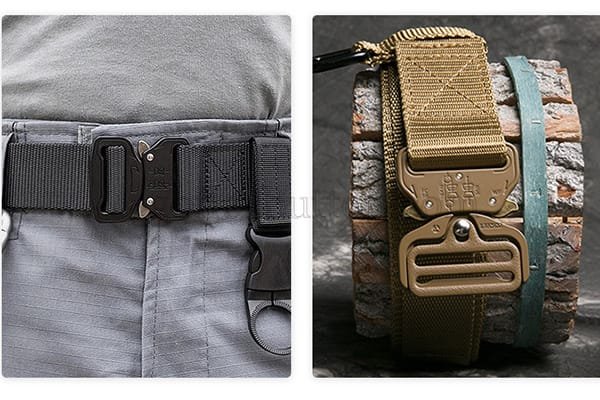
Why a Metal locking buckle Is the Unsung Hero of Modern Safety Gear
When you strap on a backpack for a summit push, clip a tool belt before scaling scaffolding, or cinch down cargo for cross‑country shipping, you’re counting on a small but critical component to keep everything secure: the Metal locking buckle. Although it often hides in plain sight, this hardware carries enormous responsibility. In today’s post we’ll unpack how a Safe locking metal buckle works, why it outperforms plastic alternatives, and what to look for when choosing the right model for your next product line or project.
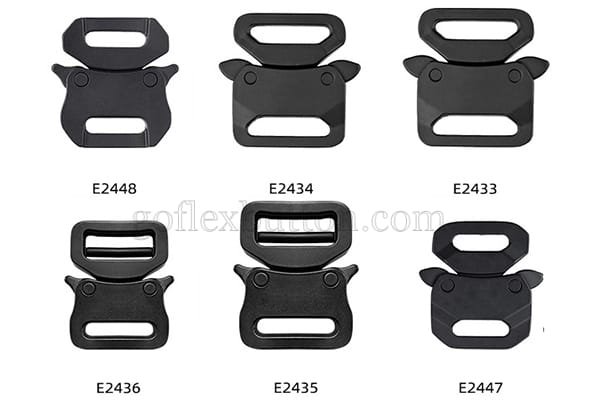
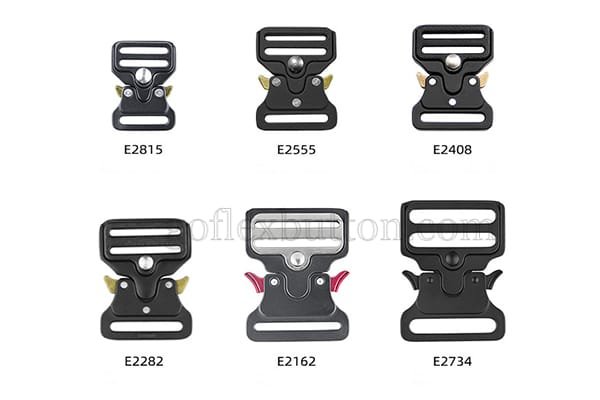
The Anatomy of a Heavy‑duty metal buckle
A true Heavy‑duty metal buckle isn’t just a shiny clamp; it’s a precision‑engineered device built to withstand thousands of open‑and‑close cycles, sudden shock loads, moisture, and extreme temperatures. Typically crafted from aerospace‑grade aluminum, galvanized steel, or marine‑quality 316 stainless, these buckles include:
Frame: The rigid body that bears the load and resists torsion.
Latch or Tongue: A movable component that engages with teeth or a slot to lock the webbing in place.
Spring or Cam Mechanism: Provides constant pressure so the buckle won’t accidentally pop open under vibration.
Release Lever: Often designed with ergonomic contours or textured grips, allowing gloved hands to disengage safely.
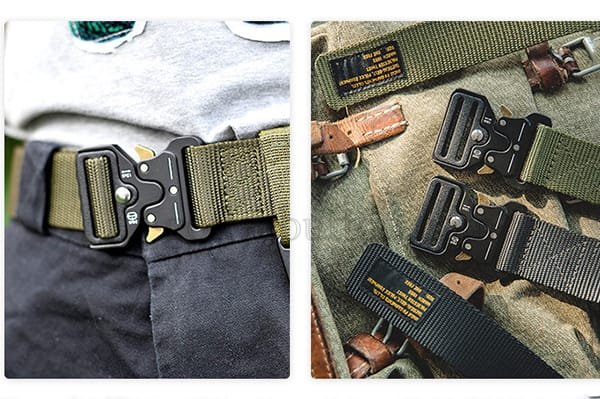
This architecture creates a Secure buckle clasp that can hold hundreds—or even thousands—of pounds without slippage, making it indispensable in industrial safety harnesses, tactical vests, and recreational climbing gear.
Why a Locking buckle for straps Beats Plastic Click‑Together Closures
Plastic side‑release buckles dominate casual backpacks and pet collars, but when failure is not an option, designers turn to a Locking buckle for straps. Here’s why:
Load Capacity: Metal’s tensile strength leaves plastic in the dust, ensuring the buckle won’t creep or shear under dynamic shock.
Temperature Resilience: UV radiation, frigid alpine mornings, or sizzling desert heat quickly degrade polymer buckles. Metal tolerates these extremes without embrittlement or warping.
Chemical Resistance: Industrial cleaners, oils, and saltwater that turn plastic brittle barely faze a stainless or zinc‑alloy buckle.
Longevity: A well‑maintained metal buckle can outlast the webbing it’s attached to, reducing replacement cycles and total cost of ownership.
The result is a locking solution that’s trusted by firefighters rappelling down burning structures and by NASA technicians strapping satellites into cargo bays.
Building in Theft Deterrence with an Anti‑theft metal buckle
A growing subset of applications—luggage, bike locks, high‑end camera straps—demands more than strength; they need tamper resistance. Enter the Anti‑theft metal buckle. These models integrate:
Keyed or Combination Locks: A miniature cylinder or three‑dial mechanism adds an extra layer of control.
Cut‑proof Design: Hardened steel cores resist bolt cutters or hacksaws long enough to deter opportunistic thieves.
By embedding theft deterrence into the hardware itself, manufacturers avoid bulky padlocks or cables while maintaining sleek aesthetics.
Safety First: The Advantage of a Buckle with safety lock
Not all environments pose criminal threats, but many present life‑threatening hazards if a connection suddenly fails. A Buckle with safety lock incorporates a secondary locking action—often a rotating gate or spring pin—that must be deliberately disengaged before release. This “double action” ensures the buckle can’t accidentally open if something bumps the lever or if web tension fluctuates. Industries that mandate this feature include:
Fall‑arrest Harnesses: OSHA and EN 361 standards require a redundant locking method.
Aviation Cargo Nets: Vibrations during takeoff and turbulence demand uncompromising security.
Motorcycle Gear: Jackets and tank bags designed for high‑speed airflow use safety‑lock buckles to stop straps from whipping loose.
Materials Matter: Choosing a Stainless steel locking buckle
Corrosion is the silent killer of metal hardware, and few environments are tougher than salt‑spray zones on ocean‑going vessels or highways treated with de‑icing salts. A Stainless steel locking buckle offers unsurpassed resistance to pitting and rust, thanks to its chromium‑rich passive layer. Key benefits include:
Hygienic Surface: Ideal for medical stretchers or food‑processing belts where regular sterilization is required.
Low Magnetic Permeability: Critical for MRI‑safe equipment or military applications sensitive to electromagnetic interference.
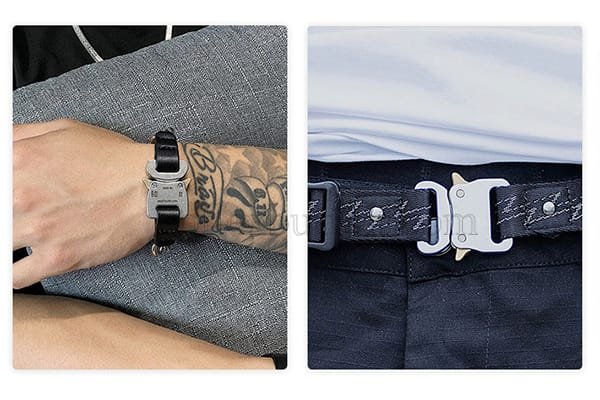
Polishable Finish: Buffed stainless adds premium aesthetics to luxury bags or architectural suspension systems.
Fine‑Tuning Fit with an Adjustable locking buckle
Static length straps rarely meet real‑world needs. An Adjustable locking buckle features a cam, ladder, or slide bar that lets users cinch or release webbing on the fly—without sacrificing holding force. Designers should consider:
Web Width Compatibility: Ensure the buckle’s slot tolerates your 1‑inch, 38 mm, or specialty size webbing without snagging.
Ergonomic Lever Ratios: A longer lever arm means easier tensioning—a boon for older users or when gloves are worn.
Gradual Teeth Geometry: Gentle teeth avoid fraying polypropylene or Dyneema straps over time.
By blending adjustability with secure locking, manufacturers create products that fit a broader range of body sizes and payloads, lowering SKUs and simplifying inventory.
Inside the Mechanics of a Metal clasp with lock mechanism
The term “Metal clasp with lock mechanism” may evoke jewelry findings or briefcase latches, but the engineering principles mirror those of industrial buckles:
Positive Engagement: The clasp’s tongue must penetrate fully into the catch before the lock can actuate—preventing partial latching that could later slip.
Visual or Tactile Confirmation: A colored indicator or audible “click” reassures users the lock is live.
Wear Compensation: Precision‑honed surfaces and case‑hardened pins minimize play, so even after years of wear the clasp maintains a tight fit.
Whether securing a bulletproof vest plate carrier or a luxury designer handbag, this mechanism delivers both functional safety and satisfying user feedback.
Maintenance Tips for Maximum Service Life
Even stainless hardware needs periodic attention. Follow these guidelines to keep your buckles in peak condition:
Rinse After Exposure: Fresh‑water rinse and quick dry after saltwater or chemical exposure prevent surface deposits.
Lubricate Moving Parts: A drop of silicone or PTFE lubricant on pivot points keeps levers snappy and springs corrosion‑free.
Inspect for Deformation: Replace any buckle showing hairline cracks, bent frames, or sluggish springs—small defects amplify under load.
Record Load Cycles: In mission‑critical gear, log usage hours or descents; retire hardware according to the manufacturer’s duty‑cycle recommendations.
Future Trends: Smart Buckles and Sustainable Alloys
The next frontier of Metal locking buckletechnology pairs IoT sensors and eco‑friendly metallurgy. Expect to see:
Bluetooth‑Enabled Safety Alerts: Buckles that ping your phone if they aren’t fully engaged before a climb.
Color‑Changing Polymetal Coatings: Surface treatments that shift hue when exposed to acid or excessive heat—providing a built‑in damage indicator.
By embracing these innovations, brands can differentiate their products in crowded markets while enhancing user confidence and environmental stewardship.
Conclusion: Small Component, Big Impact
From mountaineering harnesses that save lives on icy ridges to elegant briefcases that guard sensitive documents, the Safe locking metal buckle is the unassuming champion of security. Choosing a model that matches your load requirements, environmental challenges, and ergonomic needs ensures you’ll benefit from decades of dependable service. So next time you reach for gear you trust, remember the humble buckle making it all possible—and spec the best one you can.
Square Rings FOR BAGSCopper button
GOFLEX
For inquiries about our products, please email us, and we will respond within 24 hours.